
USS2 Switcher — Compact IP65 Automotive Sensor Housing
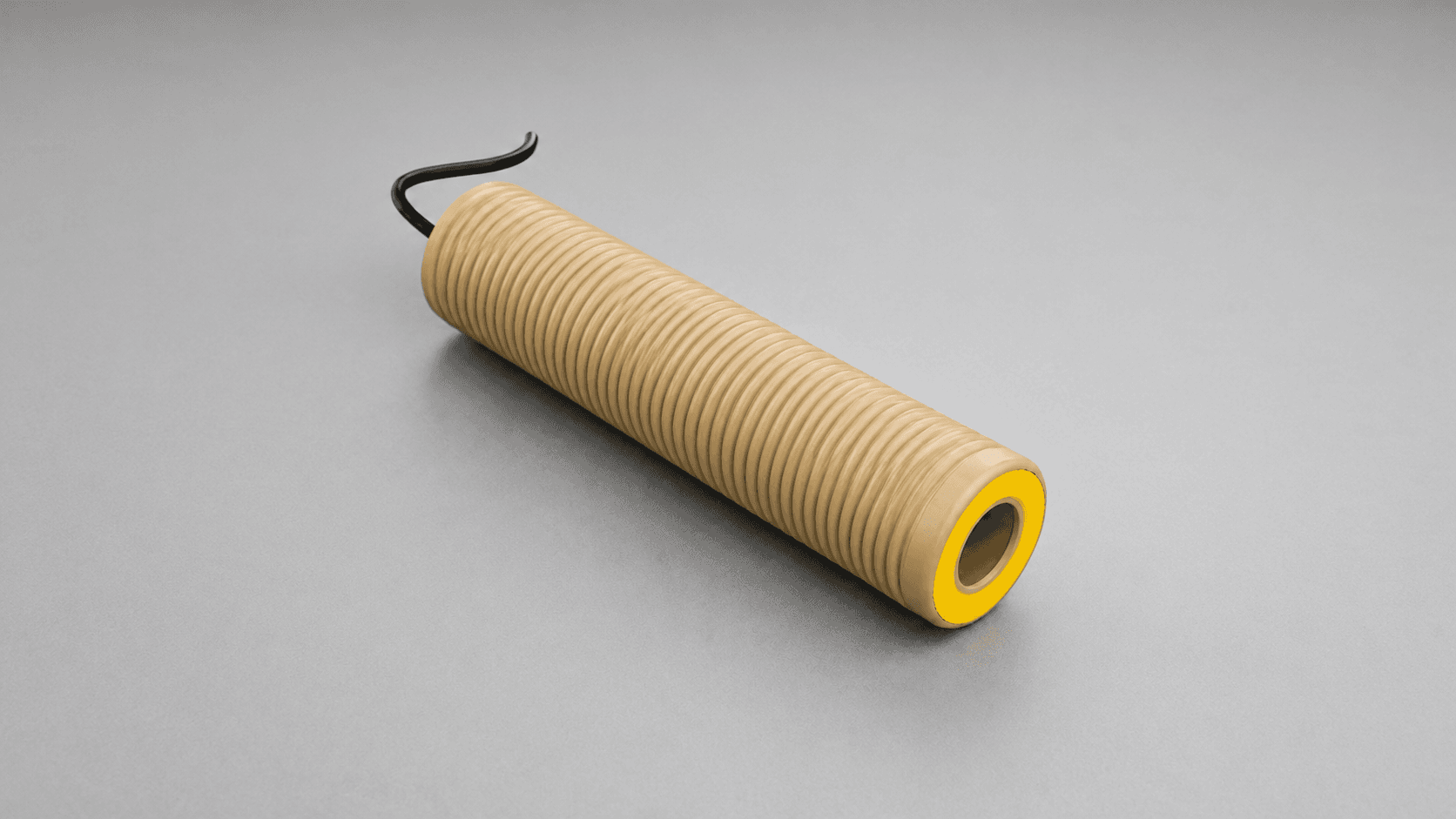
Engineered an 18 mm × 75 mm cylindrical automotive sensor enclosure integrating a 66 mm PCB, sensor assembly, wiring, threaded vehicle mounting, and O-ring sealing within an extremely constrained package.
What Makes This System Unique
18 mm diameter × 75 mm length threaded cylindrical body for direct automotive installation
Packaged an 11 × 66 mm PCB with ~1.2 mm component clearance, sensor assembly, and wiring harness
Silicone O-ring sealing groove (0.8 × 1.4 mm, 15–30% compression) engineered for IP65 protection
Internal rib structure engineered to constrain PCB movement under severe automotive vibration
Five physical prototype iterations from first fit-check to client approval and production tooling
Planned production volume exceeding 10,000+ units with four-year support agreement and Model 2
Overview & Architectural Transformation
USS2 Switcher Model 1 is a compact automotive sensing device designed to detect objects within approximately 1 m at a 5° detection angle, with a 1 cm blind area, installed directly into a vehicle via a threaded cylindrical housing. The client originally provided a box-type concept and requested a fundamentally different mechanical architecture: a compact cylindrical, threaded sensor enclosure integrating the sensor, PCB, wiring, and mounting within an 18 mm maximum diameter with environmental protection.
The Engineering Challenge: 18 mm × 75 mm Cylindrical Packaging
The core challenge was fitting the complete electronic assembly into an extremely constrained cylindrical envelope (18 mm diameter × 75 mm length). Inside this volume, the design accommodates: • 11 × 66 mm PCB with ~1.2 mm component clearances • Ultrasonic sensor assembly & internal wiring harness • Threaded automotive mounting interface & internal supports • O-ring environmental sealing system & assembly access • Vibration-resistant internal ribs & production tolerances
IP65 Sealing Design & O-Ring Compression Geometry
Environmental sealing was one of the most demanding aspects of the design. A silicone O-ring was incorporated into the sensor interface: • ~1.2 mm O-ring cross-section • 0.8 × 1.4 mm precision sealing groove • 15–30% target compression across manufacturing tolerances The enclosure was engineered for IP65-level protection, with internal pressure testing performed by our engineering team and formal laboratory validation ongoing.
Vibration Resistance & PCB Retention Strategy
Because the device is installed directly into an automobile, surviving mechanical vibration was a critical design driver. The PCB was mechanically supported using screw-mounted internal structures with additional elastomeric support and internal ribs. During internal vibration testing, the rib structure kept the PCB assembly rigidly constrained even under severe conditions where fastener loosening was observed — creating an architecture designed not merely to hold electronics, but to control component movement under continuous automotive vibration.
Prototype Iterations & Production Tooling
A total of five 3D-printed prototype iterations were manufactured for mechanical validation. The initial prototype achieved the intended fit, allowing the project to proceed rapidly into production tooling without a major redesign. Complete production documentation was delivered, including native CAD, STEP models, 2D manufacturing drawings, exploded views, and BOM. Production tooling has been completed with planned volume of 10,000+ units.
Validated Performance In The Real World
- 18 mm diameter constraint achieved within a 75 mm compact form factor
- O-ring sealing architecture and vibration-resistant structural design validated internally
- Five prototypes manufactured; production-ready documentation and tooling completed
- Client approval obtained; planned commercial production volume of 10,000+ units
- Four-year engineering support agreement, plus development of follow-on USS2 Model 2